


| hello nelson, I have a curiosity about building body after HIV infection.I am guessing that I should have infected in august 1st by sexual intercourse although I used a condom.I am 38 year old and I want to live 30 more years being healthy and strong economically.Being a long term survivor you have some clue.Did you build your body after HIV infection? How long it took ? Can you share tips to live long ? | ||
 | ||
| ||
 |  | Response from Mr. Vergel The key is to find a regimen that agrees with you. Some people are lucky to tolerate their first regimen (usually Atripla), but others develop side effects that lead them and their physicians to switch them to other regimens (like Complera, Isentress+ Truvada, Stribld or boosted Reyatazplus Truvada). Your physician will guide you through that process. But, as I said, most people do well on their first try. I am a long term survivor that had to combat wasting and lipodystrophy syndromes through my HIV infection, so I have been able to learn a lot about therapies to gain lean body mass and lose visceral fat. Luckily for most, these two syndromes are not as common with newer HIV regimens. This is an old article describing my path back in the days of struggle:Nelson's story When it comes to nutrition and exercise, I have written two articles that I consider basic reading for all who want to stay in shape while living with HIV: Outsmarting HIV with Healthy Eating Exercise: The Best Therapy I also suggest that people who are newly infected watch this short video that tells them all the steps to follow: Video I hope this helps you with a starting program that you can follow. Please let me know if you have any more questions by writing it here: Ask a question In health, Nelson |

 Nelson Vergel is the picture of health. Looking at him, you would never know that he’s been HIV positive for more than 25 years. His chemical engineering degree and love of science led him to become a leading treatment advocate for people with HIV.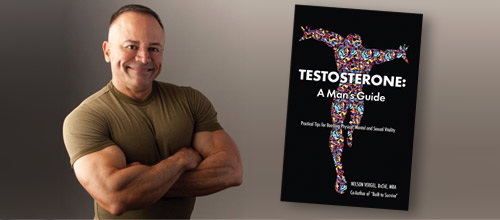
Erectile Function and Fatigue- What Happens When Testosterone Replacement Fails to Improve Them?
By Nelson Vergel
Excerpt from “Testosterone: A Man’s Guide” (available on amazon.com )
More articles on testosterone here: http://testosteronewisdom.blogspot.com/
More articles on testosterone here: http://testosteronewisdom.blogspot.com/
Most men find that their sexual desire increases after they start testosterone replacement. Sexual dreams and nighttime/morning erections may be more easily achievable, but in some cases testosterone alone does not make erections strong or lasting enough for successful intercourse.
For these men the use of prescription phosphodiesterase type 5 inhibitor (PD-5) medications likeViagra, Cialis, and Levitra—may be needed in combination with testosterone replacement. However, some men do not respond well to these oral agents or have side effects such as headaches, nasal congestion, flushing, gut problems, and, in the case of Cialis, back pain. Cialis may last longer than the others (36 hours compared to 4 hours for Viagra or Levitra), but so may its side effects. Some men take Claritin and ibuprofen with these drugs to pre-treat nasal congestion and headaches, respectively. Cialis is also approved for daily use at 5 or 10 mg/day dose (regular dose is 20 mg/day). They are available by prescription but I have heard that some men are ordering them without a prescription from overseas websites to save money (overseas sources can be ten times cheaper than products in the United States). This book does not endorse the use of these drugs without a prescription, but it is my duty to mention facts about what is happening out in the real world.
Note: If erectile dysfunction is not improved while on testosterone, ask your doctor about adjusting your dose of testosterone. Ensure that your total testosterone level is between 500 and 1000ng/dL. Also, have your doctor check your blood levels of estradiol; if too much testosterone is converted into this female hormone as it may cause sexual dysfunction (.can be treated with low dose Arimidex). Low levels of thyroid hormone, infections, lack of sleep, alcohol, smoking, medications and depression also can cause erectile dysfunction in the presence of normal testosterone levels. Last but not least, lack of attraction for our sexual partner can get in the way of achieving a strong erection.
Other options for men who need an extra erectile boost while using testosterone replacement:
Yohimbine—Available over-the-counter or by prescription (Yocon); increases sex organ sensitivity. It can raise blood pressure and cause insomnia and anxiety, so talk to your doctor. A small study showed that men who used yohimbine with the amino acid arginine had better erections (read section on supplements in this book)
Muse (alprostadil)—this is a prescription pellet that inserts into the penis to produce an erection. Not very popular.
Trimix or Quadmix—Available by prescription from compounding pharmacies. These are mixtures of prostaglandins and papaverine that increase blood flow and retention into the penis. Prostaglandins are mediators and have a variety of strong physiological effects, such as regulating the contraction and relaxation of smooth muscle tissue. Prostaglandins are not hormones and they are not produced at one discrete site, but rather in many places throughout the human body.
Trimix is a mixture of two prostaglandins (phentolamine and alprostadil) plus papaverine (a vasodilator medication) that increase blood flow to the penis and cause strong and lasting erections, with or without sexual stimulation. These compounds appear to act together to increase arterial inflow, dilate smooth muscles, and restrict venous outflow promoting erectile rigidity with greater success and in smaller doses than if these compounds were used as single therapies.
An example of a dosage combination for tri-mix is 10 micrograms of alprostadil, 500 micrograms of phentolamine and 15 mg of papaverine. Dosing of tri-mix preparations has not been standardized.
Trimix is injected directly into the side of the penis through a fine-gauge “insulin-style” needle in very small amounts (0.1-0.33 cc) that increase blood flow to the penis. It results in strong and lasting erections. The main potential side effect are hematomas (bruising), fibrosis if used too frequently and on the same injection site, pain, and dangerously long-lasting erections (priaprism). Priaprism may sound great but this can literally kill your penis by causing gangrene of the tissue after stagnant blood coagulates inside it. I know men who had to go to an emergency rooms 8 hours after having used too much Trimix and have the blood drained from their penis. To ensure perfect injection technique and dosing, it is imperative to be trained on how to dose this with the help of an urologist.
Compounding pharmacies sell two types of Trimix formulations: Freeze dried (powder to be mixed later with water) or pre-mixed vials. Some men find the freeze dried form not to be as effective.
It is extremely important to remember never to use Viagra, Cialis, or Levitra before or at the same time as you use Trimix. This is a dangerous combination that can increase the risk of priaprism. Be particularly careful with Cialis since it can stay in your blood stream for a longer time. I know someone who had priaprism since he had forgotten he had taken Cialis two days before using Trimix.
Most men who use Trimix love it, even if they have had to learn the hard way about priaprism during one instance. Most of these men did not respond well or had too many side effects to oral agents like Viagra or Cialis.
For instructions on how to inject Trimix, read:
For instructions for physicians on how to treat priaprism in the unfortunate case that it happens:emedicine.medscape.com/article/777603-diagnosis
A 10 cc bottle of Trimix can cost from $70 to $100 in compounding pharmacies. If 0.15 ccs are needed per erection, this bottle can be good for 67 erections. In comparison with Cialis and Viagra ($16 a pill), this option seems economical.
Caverject— This is an injectable form of alprostadil. Injections of alprostadil have been reported to cause pain, bleeding, hematomas and scar tissue leading to Peyronie’s Disease (excessive curvature of the penis) in some patients. Caverjet is available by prescription and it is not a compounded product, so some doctors who are not comfortable prescribing compounded products feel more at ease prescribing it. However, it is not as effective as Trimix, it requiresa large injection volume, and it comes preloaded in syringes with thick needles. It is also 10 times more expensive than Trimix but several insurance companies pay for it (Trimix is rarely covered by insurance). This injection into the penis that produces an erection that can last 1 to 2 hours. It has a larger injection volume than Trimix and is a lot more expensive, unless your insurance pays for it. Follow instructions from your urologist since overdosing can also cause priaprism.
Penile restriction rings—These rubber or leather restricting bands (commonly known as “cock rings”) can be very effective at maintaining erections after the penis fills up with blood. Be careful not to use it too tight. Neoprene and leather rings are the most common. They can be found online.
Other options are penile vacuum devices and penile implants. Due to the scope of this book, these two options will not be reviewed. Plenty of information can be found by Googling those terms.
I highly recommend this paper since I think it is the best I have read with a review of all studies done using different treatments for erectile dysfunction:http://www.ahrq.gov/downloads/pub/evidence/pdf/erectiledys/erecdys.pdf
Medications that could cause decreased sex drive or erectile dysfunction:
Medications can cause erectile dysfunction in some men. A great review of all studies of drugs that affect sexual function in men was provided by Dr Walter K.H. Krause in his book “Drugs Compromising Male Sexual Health”. He was able to identify evidence from different studies (many uncontrolled and small) about the common classes of prescription medications that can cause erectile dysfunction. It is not known if testosterone replacement can counteract the effects of these medication classes. Among the medications are:
- Antidepressants: Selective serotonin reuptake inhibitors (SSRIs), tricyclic antidepressants, monoamine oxidase inhibitors
- Blood pressure medications (antihypertensives): Alpha andregenergic antagonists, beta-blockers, diuretics, guanethidine, methyldopa
- Narcotics and opiates
- Barbiturates and benzodiazepines
- Hormone related products: Anabolic steroids, antiandrogens used in prostate cancer, estrogens, medroxyprogesterone, 5-alpha-reductase inhibitors
- Anti-acids: Histamine 2 receptor antagonists, proton pump inhibitors
- Cholesterol –lowering agents: Bile acid sequestrants, fenofibrates, statins
Fatigue
If no improvements in fatigue are observed after 6 weeks of testosterone replacement, factors beyond hypogonadism may be present.
Thyroid and adrenal function should be checked to ensure that those two glands are working properly Sleep apnea can also be a factor involved in the failure to improve stamina. Depression may still need to be addressed with the proper medications and counseling.
Thyroid Function:
The thyroid is a butterfly-shaped endocrine gland located in the lower front of the neck. It produces thyroxine or T4, which is converted to tririodothyronine, or T3. T4 production is controlled by thyroid stimulating hormone or TSH, a hormone produced by the pituitary. Hypothyroidism, or low thyroid hormone, can cause sexual dysfunction as well as depression, fatigue, dry skin and hair, weight gain and increased sensitivity to the cold. Blood tests to measure TSH, T4 and T3 are readily available and widely used.
The American Thyroid Association (thyroid.org) has great comprehensive information on how to determine if you have hypothyrodism that could be causing your fatigue.
Adrenal Function:
The adrenal glands, located in the abdomen above the kidneys, regulate stress in the human body. When the body encounters an emergency situation, the adrenal glands release hormones, such as adrenaline, that enable the body to respond accordingly. You may have encountered this reaction, called the “fight or flight” response, if you have encountered danger, fear or shock. Adrenal fatigue is the controversial idea that the adrenal glands can become worn out, creating illness, if continually over stimulated. Proponents of the “adrenal fatigue” theory hold that the adrenal glands may be over worked in some individuals and therefore become “fatigued” and unable to produce sufficient hormones. When your adrenal glands become exhausted, your natural cortisol levels drop significantly. Cortisol is your naturally occurring stress hormone. In addition to low sex drive and infertility, symptoms of adrenal fatigue may include chronic fatigue, low blood pressure and low blood sugar, dizziness, headaches, anxiety or panic attacks, depression,and other equally debilitating reactions.
Some doctors may prescribe low doses of corticoid steroids if your morning levels of cortisol (measure by blood, saliva or urine tests) are low. But be careful with corticoid steroids since they can increase fat mass and decrease bone density if given in doses that exceed what the healthy adrenals would produce.
DHEA:
The adrenal glands also produce dihydroepiandrosterone (DHEA), the most abundant hormone found in the blood stream. The body uses DHEA as the starting material for producing the sex hormones testosterone and estrogen in men. Studies have shown that it only increases testosterone in women. The production of DHEA diminishes in most people after age 40. In people aged 70 years, DHEA levels will be approximately 30 percent lower than what they were at age 25. Low blood levels of DHEA have been associated with many degenerative conditions.
Some controversial and non-conclusive studies have shown that people with immune deficiencies and fatigue may benefit from supplementation with this hormone. It is still available over-the-counter in the United States. This may change soon due to a new bill passed by Congress that classifies it as a performance-enhancing steroid (no studies have shown that it has such effect).
One study showed that women with the correct levels of DHEA can convert it into testosterone as their body needs while men do not benefit to the same degree. You need a blood test to know if you have low DHEA-S since most of the DHEA converts into this sulfated form. Common doses for women are 5to 30 mg a day, while men tend to benefit from 25-100 mg per day (to bring low levels of DHEA-S to normal)
All the hormones mentioned can be tested with blood tests or by using the easy-do-it-at-home mail order saliva hormone tests that are permissible without a prescription. Mail-order saliva tests for testosterone, DHEA-S, estradiol, and cortisol are offered by Great Smokies Laboratory at 1-800-522-4762.
NOTE: Do not use DHEA supplements unless your blood levels of DHEA-S are low. If low, start at a low dose and get your DHEA-S tested again after a month. Men who use DHEA supplements may have problems with higher estrogen levels since this hormone can also metabolize into estradiol. This could result in gynecomastia and water retention. If you start taking DHEA, have your blood levels checked to make sure they are not above normal. There are many claims about DHEA being an anti-aging and an anti-cancer cure, but none of these claims has been substantiated with strong data.
Sleep Apnea:
Sleep apnea is a sleep disorder in which the patient briefly stops breathing or breathes shallowly many times during sleep and therefore does not get enough restful sleep; oxygen levels drop in the blood, starving the brain of oxygen. In addition to causing daytime fatigue, it can increase blood pressure and cardiovascular risks. Testosterone-replacement therapy has been associated with exacerbation of sleep apnea or with the development of sleep apnea, generally in men who use higher doses of testosterone or who have other identifiable risk factors for sleep apnea (high body weight, thick necks, snoring, alcohol consumption, and others). Upper-airway narrowing does not seem to be caused by testosterone replacement therapy, suggesting that testosterone replacement contributes to sleep-disordered breathing by central mechanisms rather than by means of anatomical changes in the airway.
If your spouse or partner complains that you snore loudly at night and you suffer from fatigue, tell your doctor. The only real way to find out if you have sleep apnea is to have your doctor refer you to a sleep lab for a sleep study. If you are diagnosed with sleep apnea, a Continuous Pressure Airway Pressure (CPAP) machine can be prescribed to help you open up your airways with a small air pump while you sleep. Some people love it while some hate wearing a mask while being hooked up to a machine at night. I have seen men regain their quality of life after starting CPAP. It is paid by insurance, Medicare and most HMOs.
Stimulants:
Some physicians prescribe drugs like Nuvigil, Ritalin or Adderall when everything else fails.
Armodafinil (brand name Nuvigil) is used to treat excessive sleepiness caused by narcolepsy (a condition of excessive daytime sleepiness) or shift work sleep disorder (sleepiness during scheduled waking hours and difficulty falling asleep or staying asleep during scheduled sleeping hours in people who work at night or on rotating shifts). Armodafinil is also used along with breathing devices or other treatments to prevent excessive sleepiness caused by obstructive sleep apnea/hypopnea syndrome. Armodafinil is in a class of medications called wakefulness-promoting agents. It works by changing the amounts of certain natural substances in the area of the brain that controls sleep and wakefulness. Some insurance companies do not want to pay for it. It is not an amphetamine and it does not require a special prescription since it not a class III DEA regulated drug. Many doctors have samples so that you can try it before you commit to using it. You can get a free 14 day supply with a doctor’s prescription by filling out the information in this web site:http://www.nuvigil.com/pat/wakefulness_resources/voucher_form.php?gclid=CJKHs5L8xqYCFcXD7QodKnubFw
Ritalin and Adderall (both come in cheaper generics) are also being prescribed to people with severe fatigue that does not respond to usual means.
Methylphenidate (brand name Ritalin) is used as part of a treatment program to control symptoms of attention deficit hyperactivity disorder (ADHD) in adults and children. Methylphenidate (Ritalin, Ritalin SR, Methylin, Methylin ER) is also used to treat narcolepsy. Methylphenidate is in a class of medications called central nervous system (CNS) stimulants. It works by changing the amounts of certain natural substances in the brain
Adderall is a brand-name psychostimulant medication composed of racemic amphetamine aspartate monohydrate, racemic amphetamine sulfate, dextroamphetamine saccharide and dextroamphetamine sulfate, which is thought to work by increasing the amount of dopamine and norepinephrine in the brain. Adderall is widely reported to increase alertness, libido, concentration and overall cognitiveperformance while decreasing user fatigue. It is available in two formulations: IR (Instant Release) and XR (eXtended Release). The immediate release formulation is indicated for use in Attention Deficit Hyperactivity Disorder (ADHD) and narcolepsy, while the XR formulation is approved for use only with ADHD. In the United States, Adderall is a Schedule II drug under the Controlled Substance Act due to having significant abuse and addiction potential. It requires a triplicate prescription in many states.
If you and your doctor decide that stimulants are a reasonable option, you will need to review the many potential drug interactions, physical health and mental health complications that can occur.
Over-the-Counter Supplement: SAMe
SAMe (SAM-e, S-adenosyl-methionine, or S-adenosyl-L-methionine) is a naturally occurring compound that is found in every cell in the body It is produced within the body from the essential sulfur-containing amino acid methionine. Protein-rich foods are sources of this amino acid.
SAMe is generally considered safe when taken in appropriate doses. People with bipolar (manic/depressive) disorder should be aware that it could trigger a manic phase. People taking standard antidepressants, including MAO inhibitors, SSRIs, and tricyclics should not take SAMe except on a physician’s advice. It is fairly well tolerated but be it can cause jitteriness or gut problems in some. Taking SAMe with meals can reduce these adverse effects.
I am convinced this supplement works for depression and fatigue. I have taken 400 mg twice a day for a few months and can definitely feel a difference. I actually get reminded when I do not take it by my having decreased energy. An added bonus is that it can also decrease liver enzymes.
SAMe is not cheap. There are many different manufacturers but I use the Jarrow Formulas brand, as I trust their quality control. It comes in foil-protected 200 mg-capsules since it tends to lose its effectiveness when exposed to air.
Here is a summary of studies that show that it works as well as commonly prescribed antidepressants, and also some data on liver function and arthritis pain:
I am also including a study done at ACRIA that also found benefits in treating depression in those living with HIV:
Talk to your doctor before taking this supplement. Do not stop taking your antidepressants to switch to SAMe since it has not been fully studied in large controlled studies.
PERSONAL COMMENTS: Because of terrible bouts with fatigue in the past, I was referred to a sleep lab and diagnosed with mild sleep apnea. I tried CPAP with different masks (they are smaller ones with “nose pillows” and many other designs, so don’t give up early without trying different styles). I could not get used to it. I have had my thyroid and adrenal functions checked without finding any problems. I have tried Nuvigil, Adderall, and SAMe with good results for my fatigue. Unfortunately I get anxious if I use them for long periods, so I only use them as needed. What has made the most difference, besides keeping my testosterone in the upper side of the normal range, is going to bed around the same time at night and waking up also at the same time. Traveling and other factors can interfere with maintaining a normal sleep cycle, but the fact is I need to listen to my body’s needs. I can usually be tired enough to get better sleep by the time bedtime arrives if I avoid caffeine after 3 pm and don’t exercise too late at night.


 Posts
Posts


